
Key points
- “Ozempic face” is a popular term for facial volume loss after fast weight loss.
- It comes from losing fat, not from a direct effect of the medicine.
- Steady weight loss, protein and strength training help.
- A dermatologist can discuss treatment if it bothers you.
What “Ozempic face” means
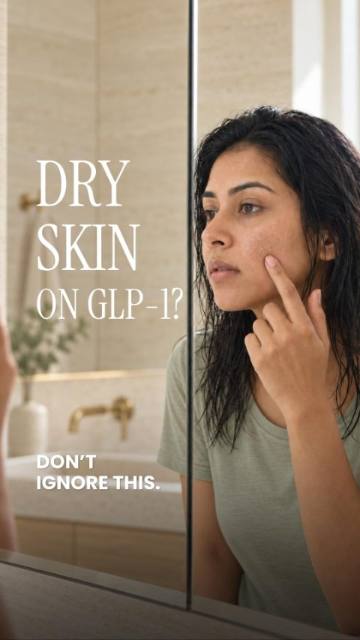
“Ozempic face” is a popular term, not a medical diagnosis. It describes a more hollow or aged look in the face, with looser skin and less volume in the cheeks, that some people notice after losing a lot of weight quickly on GLP-1 medicines.
Why it happens
The medicine itself doesn't target the face. When you lose fat, you lose some from your face too, and faster loss gives the skin less time to adjust. Age, genetics and sun exposure also play a part. The same can happen with weight loss from any cause.
How to reduce it
- Lose weight steadily rather than very fast; your doctor can manage this through your dose.
- Eat enough protein to protect muscle, including in the face.
- Strength training to keep muscle and tone.
- Drink plenty of water, use sunscreen and avoid smoking, which all help skin quality.
Treatment options
If facial volume loss bothers you, a dermatologist can discuss options such as skin-tightening treatments or fillers. Our lead dermatologist, Dr Anuya Manerkar, has more than 17 years of experience in skin care, including treatments for volume loss.
Questions
Is Ozempic face permanent?
Some facial volume loss can persist, but skin often adapts over time, and treatments can help if needed.
Does Mounjaro cause Ozempic face too?
It can happen with any fast weight loss, including on tirzepatide.
Can I prevent it?
Steady weight loss, enough protein, strength training and good skin care reduce the risk.