
Key points
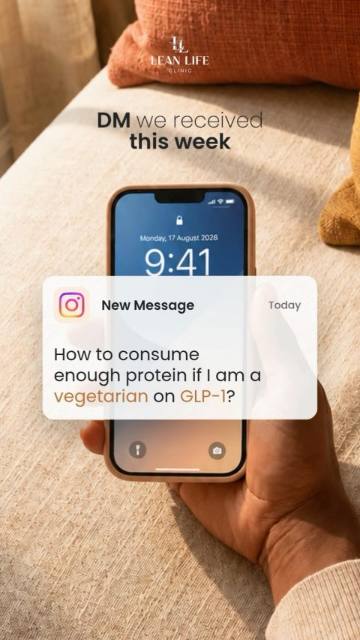
- Protein first at every meal, then vegetables, then a smaller portion of roti or rice.
- Smaller portions: GLP-1 medicines make you full sooner.
- Plenty of fluids and fibre to help with constipation.
- Your dietitian personalises portions and protein targets.
How to eat on GLP-1 medicines
- Protein first. Start each meal with the dal, paneer, curd, eggs, chicken or fish, then add vegetables, then a smaller portion of roti or rice. It helps you keep muscle while you lose fat.
- Smaller plates. GLP-1 medicines make you full sooner. Stop when you feel satisfied, not stuffed, which also helps with nausea.
- Vegetables and fibre at every meal. Sabzi, salad, sprouts and dal help with fullness and with constipation, a common side effect.
- Plenty of fluids. Water, buttermilk, nimbu pani without sugar and clear soups. Sip through the day rather than gulping with meals.
- Go easy on fried and very rich food. Pakoras, puris and heavy gravies are more likely to cause nausea and reflux on these medicines.
- Don't skip meals. Even if you're not hungry, a small protein-rich meal keeps your energy up and protects muscle.
Your 7-day plan
A sample week of vegetarian Indian meals, built around protein. Portions are deliberately modest: on Mounjaro or semaglutide, most people need less food than before. Your Lean Life dietitian sets your portions and a protein target for your weight, health and appetite.
| Day | Breakfast | Lunch | Snack | Dinner |
|---|---|---|---|---|
| Monday | Moong dal chilla with paneer stuffing, mint chutney | Rajma, a small bowl of rice, cucumber raita, salad | Roasted chana | Palak paneer, one roti, sautéed vegetables |
| Tuesday | Vegetable poha with peanuts, a bowl of curd | Chole, one roti, kachumber salad | Buttermilk and a handful of nuts | Tofu or paneer bhurji, one roti, dal |
| Wednesday | Besan chilla, curd | Dal tadka, mixed vegetable sabzi, one roti | Sprouts chaat | Soya chunk curry, quinoa or a small bowl of rice |
| Thursday | Vegetable upma, a glass of milk | Sambar, a small bowl of rice, beans poriyal | Greek yoghurt or hung curd | Paneer tikka, grilled vegetables, mint chutney |
| Friday | Two idlis with sambar and a little coconut chutney | Kadhi, one roti, bhindi sabzi, salad | Roasted makhana | Moong dal khichdi with vegetables, raita |
| Saturday | Paneer paratha (small), curd | Dal palak, one roti, cucumber salad | Fruit with a handful of almonds | Mixed dal, vegetable stir-fry, one roti |
| Sunday | Moong dal dosa, sambar | Rajma or chole bowl with salad | Buttermilk, roasted chana | Paneer and vegetable soup, one roti |
A sample plan for general guidance, not a prescription. It isn't suitable during pregnancy or for anyone with an eating disorder, kidney disease or other condition that needs a special diet. Ask your doctor or dietitian first.
Simple swaps
| Instead of | Try |
|---|---|
| Two or three rotis | One roti and an extra bowl of dal or sabzi |
| A full plate of rice | A small bowl of rice with more dal and vegetables |
| Sweet chai with biscuits | Unsweetened chai with roasted chana or nuts |
| Fried snacks | Roasted makhana, sprouts chaat or a boiled egg |
| Sugary drinks or juice | Buttermilk, nimbu pani without sugar or coconut water |
If you feel nauseous
- Eat slowly and stop at the first sign of fullness.
- Try plain foods: khichdi, curd rice, idli, toast, clear soups.
- Avoid lying down straight after eating.
- Ginger tea or sips of cold water can help.
- Tell your doctor if nausea or vomiting doesn't settle.
Eating out, festivals and fasting
You don't have to avoid weddings or festivals. Eat a protein-rich snack before you go, choose tandoori, dal and salad over fried starters, take a small plate, and stop when you're full. If you fast for religious reasons, talk to your doctor first: your dose or timing may need adjusting, especially if you also take diabetes medicines.
Questions
Can I eat rice and roti on Mounjaro or semaglutide?
Yes, in smaller portions alongside protein and vegetables. Your dietitian will suggest amounts that suit you.
How much protein do I need?
It depends on your weight, health and activity. Your dietitian sets a target for you, and protein at every meal is a good start.
Do I need to count calories?
Usually not. Smaller portions, protein first and regular meals matter more for most people.
Is this plan suitable for diabetes?
It is built around balanced meals, but if you have diabetes, your doctor and dietitian should adjust it, especially if you take insulin or tablets that can cause low blood sugar.